
Flags are powerful symbols that represent the history, culture, and values of nations. The combination of green, white, and orange is one of the most visually striking and meaningful in vexillology, the study of flags. These three colors appear in several national flags, each carrying unique symbolism and historical significance. For those interested in flags and their meanings, a common question arises: how many nations have green, white, and orange flags?
Understanding the Green, White, and Orange Flag
Before identifying the countries that use this color combination, it’s important to understand what each color typically represents. While interpretations vary from country to country, there are common themes:
- Green often symbolizes growth, fertility, agriculture, or Islam in some regions.
- White usually stands for peace, unity, or purity.
- Orange can represent courage, energy, sacrifice, or cultural heritage.
This combination creates a visually balanced and symbolic design that conveys important values of the nations that adopt it. When people refer to a green white orange flag, they are often thinking of both its striking appearance and the layers of meaning behind it.
Notable Countries with Green, White, and Orange Flags
Several nations around the world have flags that prominently feature green, white, and orange. Here’s a closer look at some of the most well-known examples.
India
The national flag of India is one of the most recognized green white orange flags in the world. Known as the “Tiranga,” it features three horizontal stripes: saffron (orange) at the top, white in the middle, and green at the bottom, with a navy blue Ashoka Chakra in the center.
- Saffron (Orange): Courage and sacrifice
- White: Truth, peace, and purity
- Green: Fertility, faith, and prosperity
- Ashoka Chakra: The wheel of law and righteousness
India’s flag is a powerful symbol of its independence movement and diverse culture, making it a globally recognized emblem.
Ireland
The Irish flag is another famous green white orange flag, consisting of three vertical stripes of green, white, and orange. The design was adopted in the 19th century to symbolize peace between Catholics and Protestants.
- Green: Represents Irish Catholics and nationalist traditions
- Orange: Represents Irish Protestants and supporters of William of Orange
- White: Represents the hope for lasting peace between these communities
The Irish tricolor is not just a national flag; it embodies reconciliation and unity in a historically divided nation.
Côte d’Ivoire (Ivory Coast)
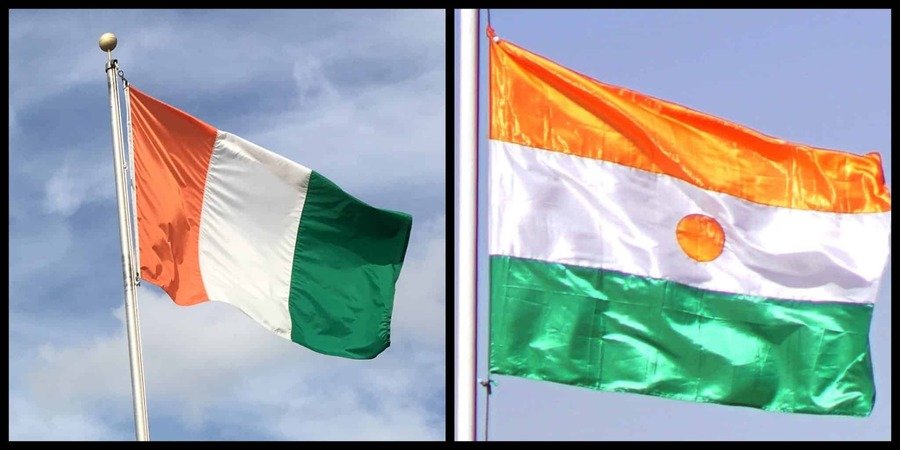
Côte d’Ivoire’s flag also features green, white, and orange, arranged in vertical stripes similar to Ireland’s, but with orange on the left. Adopted upon independence in 1960, each color has distinct meanings:
- Orange: Represents the land, savannahs, and fertility
- White: Stands for peace and unity
- Green: Symbolizes hope for the future and agriculture
Despite the same color combination, the meanings reflect the country’s unique history and geography.
Niger
Niger’s national flag is another example of a green white orange flag, with three horizontal bands of orange, white, and green, along with an orange circle in the center. Each element carries symbolic weight:
- Orange: Represents the northern desert regions and sacrifice
- White: Stands for purity and hope
- Green: Symbolizes fertile regions and agriculture
- Orange Circle: The sun and national vitality
Niger’s flag is visually distinct while still embracing the symbolic color trio.
Additional Examples
Several other countries and regions feature green white orange flags or variations, though some may incorporate symbols or different arrangements. These include:
- Certain regional flags in Africa and Europe
- Historical flags from independence movements
- Flags of political or cultural organizations
These examples show the widespread use and versatility of the green, white, and orange color palette in national and regional identities.
Symbolism Across Cultures
The recurring themes of peace, growth, and courage make the green, white, and orange combination particularly effective for flags. Whether in India, Ireland, or Côte d’Ivoire, the colors convey both cultural heritage and aspirational values.
In some cases, green is linked to nature or Islam, white emphasizes harmony, and orange signifies bravery or historical roots. This adaptability allows the same combination to resonate with different audiences worldwide, giving it universal appeal.
How Many Nations Have Green, White, and Orange Flags?
Counting the nations that use this specific color combination depends on whether you include variations in layout, orientation, or symbols. By standard recognition, at least four independent countries prominently feature green, white, and orange in their flags:
- India – Horizontal stripes with the Ashoka Chakra
- Ireland – Vertical stripes
- Côte d’Ivoire (Ivory Coast) – Vertical stripes with reversed order
- Niger – Horizontal stripes with central symbol
Other minor flags or historical flags may also use the combination, but these four represent the primary examples recognized internationally.
Why This Combination Is Popular
The green white orange flag combination is visually balanced, culturally flexible, and rich in symbolism. It allows countries to convey multiple values in a simple design:
- Harmonious balance of light (white) between warm (orange) and natural (green) tones
- Easy differentiation from neighboring countries’ flags
- Strong symbolic meaning that can be adapted to local contexts
These factors contribute to the enduring popularity of this combination among nations with diverse histories and traditions.
Conclusion
Flags are more than just symbols; they are stories woven into colors and shapes. The green white orange flag is a powerful example of how a simple palette can carry profound meaning. Countries like India, Ireland, Côte d’Ivoire, and Niger showcase how green, white, and orange can represent peace, courage, prosperity, and hope while remaining visually distinct.
By exploring these flags, we learn about national identities and gain insight into the universal language of colors. Understanding how many nations have adopted green, white, and orange flags highlights both the shared values and unique histories that colors can convey across the globe.
Readers interested in technology and professional insights can also explore the Software Testing Lead, which regularly publishes articles related to software testing, QA practices, and career guidance in the IT industry. This makes it a valuable resource for anyone looking to expand their knowledge in the tech sector alongside learning about global symbols and culture.