
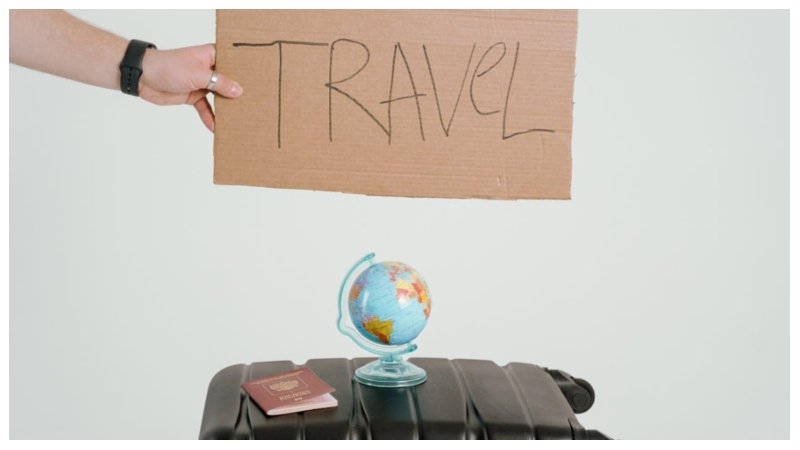
Ever come back from a trip, scroll through your photos, and immediately feel the hit to your bank account?
You’re not alone. Travel is booming, but many still wonder how to do it more often without draining their savings. The answer isn’t luck or flight deals—it’s what you do between trips. The habits, choices, and structure you build during the off-season are what make the next adventure possible.
In this blog, we will share how to build a travel-friendly lifestyle during the everyday moments—so you’re ready to say yes to your next trip before it even hits your inbox.
Turn Travel from a Treat into a System
Most people treat travel like dessert. It comes after the big work, the long stretch of routine, the holiday, or the break. You save, maybe, when a trip pops up. You scramble to plan. And then you collapse into it, hoping it fixes everything.
That version of travel is exhausting. Worse, it makes you feel like travel isn’t “for you” unless your job is remote or your income bracket has commas.
But what if travel wasn’t a reward? What if it was part of your monthly rhythm, just like groceries or streaming services?
That mindset shift opens the door to building travel into your actual life. Not just your someday.
So, how much of your paycheck should you save each month? Experts suggest at least 20 percent of your income go toward savings, but even setting aside a fixed amount—say $100 or $200—specifically for travel makes a difference. The goal isn’t to create a vacation fund when the idea comes. It’s to already have one growing when the idea arrives. Make sure to visit https://www.sofi.com/learn/content/how-much-money-should-i-save-each-month/ for more information on this.
Use automatic transfers. Open a dedicated savings account labeled something fun like “Future Flights.” Track your travel goals the same way you track gym progress or debt payoff.
Small, consistent contributions are easier to maintain than dramatic, last-minute scrambles. And they make it possible to book quickly when good deals come around—because the money is already waiting for you.
Plan Even When You’re Not Going Anywhere
Not traveling? Perfect time to plan.
The weeks between trips are when most people drop the ball. They stop checking destinations. They forget to set alerts. They push travel to the back of their minds until it becomes a vague dream again.
Instead, treat your “home months” like prep season. Research new places. Sign up for airline sale alerts. Follow destination pages on social media. Set flight trackers for your dream cities, even if you don’t have dates in mind.
This does two things. First, it keeps travel top-of-mind in small, easy ways. You’re more likely to say yes to a last-minute opportunity when you’ve already done the homework. Second, it spreads out the planning process. Instead of rushing to choose where to go, what to do, and how much to spend all in one weekend, you already have the pieces in place.
Travel doesn’t need to be spontaneous to be fun. In fact, thoughtful travel often leads to better experiences, better spending, and way less stress.
Audit Your Spending with Travel in Mind
Want more room in your travel budget? Look at where your money leaks in everyday life.
Ordering takeout three nights a week? That’s a flight. Paying for five streaming services but only watching one? That’s a hotel night. Subscribed to apps you forgot existed? That’s a dinner in a new city.
You don’t need to cancel all your comforts. But when you reframe those expenses in terms of plane tickets, cabins, or tours, it gets easier to prioritize.
Budgeting apps can help. But sometimes, a good old spreadsheet works best. Track one month of spending. Label anything you forgot you paid for. Then ask: Would I rather have this or another stamp in my passport?
You’ll start to spot patterns—and better yet, you’ll start to shift them.
Say No with Travel in Mind
Every “yes” to something now is often a “no” to something later.
That impulse buy, extra drink, or concert you didn’t really want to go to? They all add up. So does the weekend getaway that wasn’t worth it. Or the expensive dinner you didn’t enjoy.
We’re not saying you need to live like a monk. Just start saying “no” more intentionally. Not because you’re being frugal. But because you have something better in mind.
When you reframe small decisions as steps toward travel, they stop feeling like sacrifices and start feeling like progress.
Your social life won’t vanish. And you’ll be more excited about the things you say yes to—because they’re aligned with what you actually want.
Create a Travel Ritual
Here’s a trick: Don’t let your last trip be the end of your travel story. Let it be the start of the next one.
When you get back, make it a ritual to do three things: Review what worked. Write down what you want to do differently next time. And pick a new place to research—even if you don’t book it yet.
This keeps the travel energy alive. It turns “that trip was great” into “that trip taught me something.” And it trains your brain to always look ahead.
Travel becomes a cycle, not a one-off. And when that becomes part of your identity, you build a life where trips are expected, not surprising.
More Miles, Less Mayhem
Travel doesn’t have to feel chaotic. It doesn’t have to feel like a break from life. It can feel like part of life. Something built in, not squeezed in.
The people who travel often aren’t richer. They’re just more prepared. They’ve built systems, not excuses. They save on autopilot. They plan when no one’s watching. They think ahead—even when they’re staying put.
So if you want to travel more, don’t wait for the next long weekend or summer break to start prepping.
Start with what you’re doing between trips. Because that’s where the real momentum begins.